

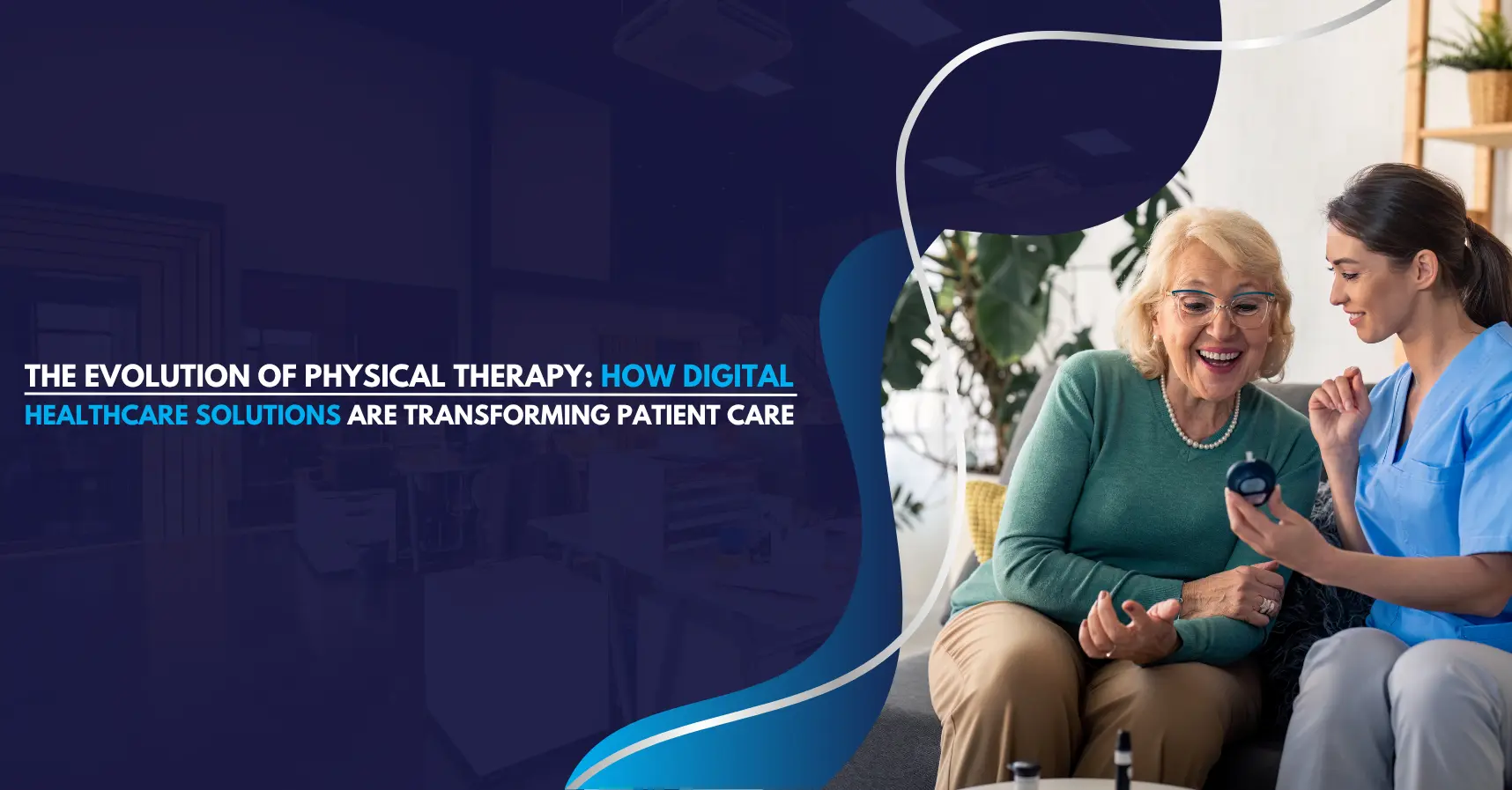
Physical therapy has played a critical role in helping patients recover from injuries, surgeries, and chronic conditions for centuries. While traditional rehabilitation methods focused primarily on manual treatments and in-person care, modern healthcare is experiencing a significant transformation driven by digital technologies.
Today, healthcare organizations are leveraging innovative software solutions, telehealth platforms, wearable devices, and artificial intelligence to improve patient outcomes, streamline operations, and deliver more personalized care. As the healthcare industry continues to evolve, physical therapy and rehabilitation services are becoming more connected, data-driven, and accessible than ever before.
The Evolution of Physical Therapy
Physical therapy has evolved significantly over the years. Early rehabilitation practices relied on exercise, massage, and physical manipulation techniques to help patients regain mobility and strength. As medical science advanced, therapists gained access to new treatment methods, specialized equipment, and evidence-based approaches that improved patient recovery.
However, traditional physical therapy often faced challenges such as limited patient engagement outside clinical settings, difficulty tracking progress, scheduling inefficiencies, and barriers to access for patients in remote locations.
The emergence of healthcare technology has helped address many of these challenges while creating new opportunities for healthcare providers and patients alike.
The Rise of Digital Healthcare Solutions
Digital transformation is reshaping nearly every aspect of healthcare delivery. From patient management systems to remote monitoring tools, technology is enabling providers to deliver more efficient and effective care.
Healthcare software solutions help organizations:
- Improve patient engagement
- Streamline administrative processes
- Enhance clinical decision-making
- Reduce operational costs
- Improve care coordination
- Increase accessibility to healthcare services
For physical therapy clinics and rehabilitation centers, these solutions are becoming essential for delivering modern patient care.
Telehealth and Virtual Rehabilitation
Telehealth has emerged as one of the most impactful innovations in healthcare. Virtual consultations allow therapists to connect with patients regardless of their location, reducing travel time and improving access to care.
Tele-rehabilitation platforms enable healthcare professionals to:
- Conduct virtual therapy sessions
- Monitor patient exercises remotely
- Provide real-time feedback
- Track recovery progress
- Improve treatment adherence
This approach is particularly valuable for patients with mobility limitations, chronic conditions, or those living in underserved areas.
Mobile Applications for Patient Engagement
Mobile healthcare applications have transformed how patients participate in their recovery journey. Modern rehabilitation apps allow patients to access exercise programs, appointment schedules, educational resources, and progress tracking tools directly from their smartphones.
Benefits of mobile healthcare applications include:
- Increased patient engagement
- Better treatment compliance
- Improved communication with providers
- Real-time progress monitoring
- Enhanced patient satisfaction
These solutions empower patients to take a more active role in their healthcare while providing clinicians with valuable insights into recovery outcomes.
Wearable Devices and Remote Patient Monitoring
Wearable technology is becoming increasingly important in physical therapy and rehabilitation. Devices such as smartwatches, fitness trackers, and connected sensors can continuously collect health data, helping providers monitor patient activity and recovery progress.
Remote patient monitoring solutions can track:
- Movement and mobility
- Heart rate and vital signs
- Activity levels
- Exercise completion
- Recovery milestones
The ability to collect real-time data enables healthcare providers to make more informed decisions and deliver personalized treatment plans.
Artificial Intelligence in Rehabilitation and Patient Care
Artificial intelligence is helping healthcare organizations unlock deeper insights from patient data. AI-powered solutions can analyze trends, identify potential risks, and support clinical decision-making.
Applications of AI in rehabilitation include:
- Predictive recovery analytics
- Personalized treatment recommendations
- Automated patient assessments
- Intelligent scheduling systems
- Virtual healthcare assistants
By leveraging AI technologies, healthcare providers can improve efficiency while delivering more targeted and effective care.healthcare software tailored to your business needs.
The Importance of Custom Healthcare Software Development
Every healthcare organization has unique operational requirements. Off-the-shelf solutions may not always provide the flexibility needed to support specialized workflows, regulatory requirements, or patient engagement strategies.
Custom healthcare software development enables organizations to build solutions tailored to their specific needs, including:
- Electronic Health Record (EHR) integration
- Patient management systems
- Telehealth platforms
- Rehabilitation management software
- Healthcare mobile applications
- Remote monitoring solutions
- Analytics and reporting dashboards
Custom-built platforms help healthcare providers improve efficiency, enhance patient experiences, and support long-term growth.
Security and Compliance in Healthcare Technology
Every healthcare organization has unique operational requirements. Off-the-shelf solutions may not always provide the flexibility needed to support specialized workflows, regulatory requirements, or patient engagement strategies.
Custom healthcare software development enables organizations to build solutions tailored to their specific needs, including:
- Electronic Health Record (EHR) integration
- Patient management systems
- Telehealth platforms
- Rehabilitation management software
- Healthcare mobile applications
- Remote monitoring solutions
- Analytics and reporting dashboards
Custom-built platforms help healthcare providers improve efficiency, enhance patient experiences, and support long-term growth.
The Future of Healthcare and Rehabilitation
The future of healthcare will be increasingly connected, intelligent, and patient-centered. Emerging technologies such as artificial intelligence, Internet of Medical Things (IoMT), cloud computing, and advanced analytics will continue transforming how care is delivered.
For physical therapy providers, rehabilitation centers, hospitals, and healthcare organizations, embracing digital innovation is no longer optional—it is essential for meeting evolving patient expectations and improving healthcare outcomes.
Organizations that invest in healthcare technology today will be better positioned to deliver efficient, accessible, and personalized care in the years ahead.
Partner with Star Knowledge for Healthcare Software Development
At Star Knowledge, we help healthcare organizations accelerate digital transformation through custom healthcare software development services. Our expertise includes healthcare applications, telehealth platforms, patient management systems, cloud solutions, AI-powered technologies, and enterprise software development.
Whether you are looking to modernize patient care, streamline operations, or build innovative healthcare solutions, our team can help you develop secure, scalable, and future-ready healthcare software tailored to your business needs.
Our Related Posts
Technologies in Rehabilitation Services & Stroke Management
With the aging population on the rise, there is a greater requirement of physical therapy and rehab services…….

Why companies should migrate to SharePoint online today
Migrate to SharePoint Online today for better teamwork, secure data storage, and seamless integration. Future-proof your business with cloud efficiency.
Physical therapy website development: essential for growth
Unlike visiting a family practitioner or a specialist physician, a common misconception that most patients…….
Sorry, the comment form is closed at this time.