
Microsoft Solutions Partner
Agents that act, with guardrails
Application Support & Maintenance Services
Keep production applications secure, stable, and performing with ongoing monitoring, bug fixes, patches, performance tuning, and minor enhancements.
Supporting and maintaining Microsoft/Azure applications, WordPress sites, mobile apps, APIs, and legacy systems for production environments.
Years
Developers
SLA-Backed Support
Built across the major agent ecosystems
Copilot Studio
Azure AI Foundry
AWS Bedrock
Google Vertex AI
OpenAI
LangChain / LangGraph
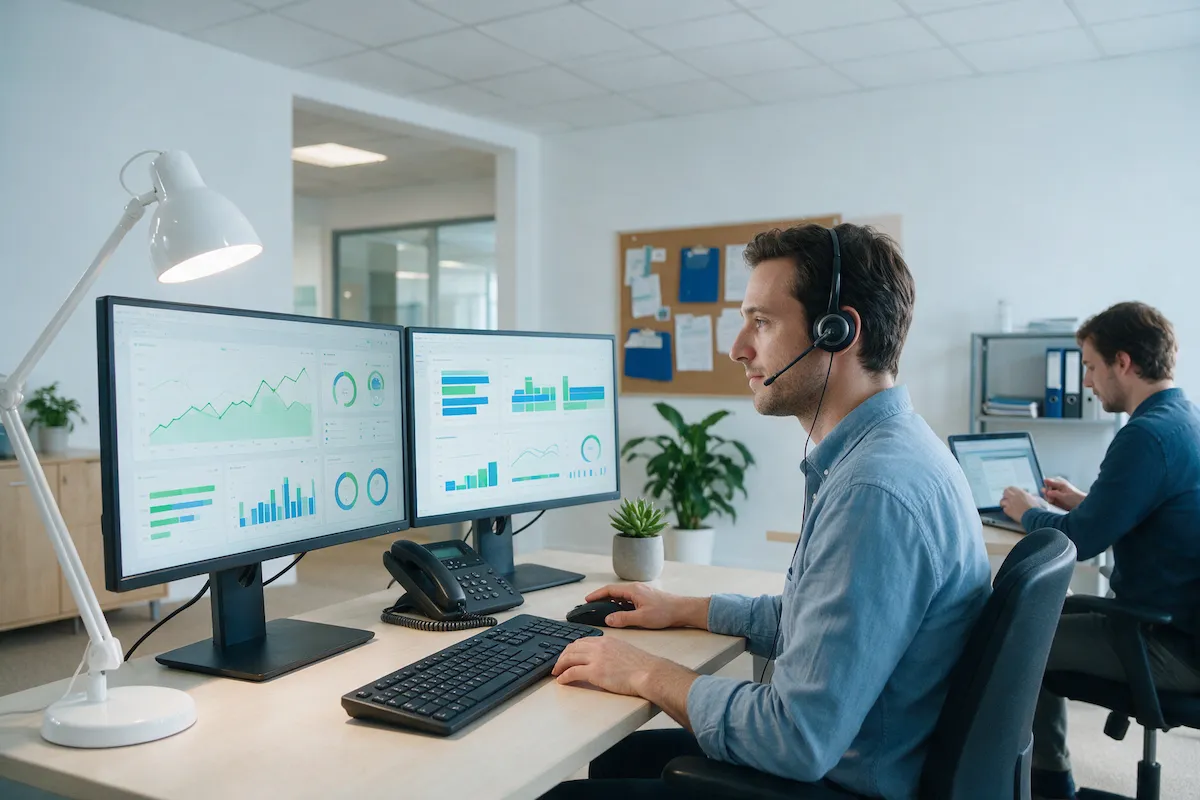
Application Support Challenges That Need Proactive Attention
01
Application bugs reported by users — nobody available to fix them quickly?
02
Security patches overdue — vulnerabilities accumulating?
03
Performance degrading over time but nobody’s optimising?
No monitoring — problems discovered when users complain?
What We Do
Reliable Support That Keeps Applications Running
01
SLA-backed response times
02
We already know your code
We support applications we built and applications others built. We learn your codebase, document it, and maintain institutional knowledge.
03
Monitoring that prevents outages
Monitor application health, errors, performance, and availability to identify risks before they become larger support issues.
Security kept current
Apply security patches, framework updates, and dependency updates on an agreed maintenance cadence.
05
Performance maintained
06
Enhancements without a project
Minor features, UI improvements, and workflow changes delivered within your monthly retainer — no separate project scoping.
Our Services & Capabilities
01
Application Monitoring
Monitor application health, availability, errors, and performance with environment-appropriate tools and alerts.
- Application Insights
- Azure Monitor
- Custom checks
02
Bug Fixes & Incident Support
Resolve production bugs and application issues through defined support processes and response times.
- Bug fixes
- Incident response
- SLA support
03
Security & Dependency Updates
Keep applications current with security patches, framework updates, and dependency maintenance.
- Security patches
- Framework updates
- Dependency management
04
Performance Optimisation
Identify and address performance issues through database maintenance, caching, and query optimisation.
- Database maintenance
- Query optimisation
- Caching
05
Application Knowledge & Documentation
Review codebases, document dependencies, and build the technical knowledge needed for ongoing support.
- Code review
- Dependency mapping
- Documentation
06
Minor Enhancements
Deliver small features, UI improvements, and workflow changes within the agreed support arrangement
- Minor features
- UI improvements
- Workflow changes
Application Support Plans & Service Tiers
Production-readiness foundation: Onboarding should cover codebase review, dependency and patch assessment, environment access review, monitoring setup, alert routing, backup and recovery checks, release process review, and a documented support runbook before SLAs begin.
01
Basic — Keep the Lights On
$3,000–$6,000 / month
Best for: 1–2 internal applications with low-medium criticality. Maintenance, not enhancement.
- Application monitoring and alerting
- Bug fixes and incident response (8-business-hour SLA)
- Security patches and dependency updates
- Monthly health check and report
- Up to 15 included support hours/month
- Business hours coverage (Mon–Fri, 8am–6pm)
02
Standard — Maintain and Improve
$6,000–$12,000 / month
Best for: 3–5 applications with medium-high criticality. Maintenance + light enhancements.
- Everything in Basic, plus:
- 4-business-hour SLA for critical issues
- Performance monitoring and optimisation
- Database maintenance and query tuning
- Minor enhancements and feature additions (within hours)
- Monthly review meeting with recommendations
- Extended hours coverage (Mon–Fri, 7am–9pm)
03
Premium — Dedicated Team, Proactive
$12,000–$25,000 / month
Best for: 5+ applications or critical/revenue-generating systems. Full support + regular enhancements + strategic guidance.
- Everything in Standard, plus:
- 1-hour SLA for critical issues
- Dedicated support team (named contacts)
- Proactive monitoring with anomaly detection for supported environments where telemetry is available
- Quarterly architecture and technology review
- Disaster recovery testing
- Up to 80 included support hours/month
- Coverage up to 16/7 (extended, with on-call)
SLA Comparison
| SLA metric | Basic | Standard | Premium |
|---|---|---|---|
Critical issue response | 8 business hours | 4 business hours | 1 hour |
High issue response | Next business day | 8 business hours | 4 business hours |
Medium issue response | 2 business days | Next business day | 8 business hours |
Low issue response | 5 business days | 2 business days | Next business day |
Included hours/month | Up to 15 | Up to 35 | Up to 80 |
Coverage hours | Mon–Fri 8am–6pm | Mon–Fri 7am–9pm | Extended / on-call |
Monthly reporting | Yes | Yes + review meeting | Yes + review + quarterly strategy |
Enhancements | Bug fixes only | Light enhancements | Regular feature development |
Dedicated contacts | Shared team | Named lead | Dedicated team |
Technology Stack and Applications Supported
01
Web Applications (.NET / Azure)
ASP.NET Core, Blazor, .NET Framework, Azure App Service, Azure SQL, Azure Functions — applications we built or inherited.
02
Mobile Applications
03
WordPress & WooCommerce
WordPress core, themes, plugins, WooCommerce stores — updates, security, performance, and content support.
04
SharePoint Solutions
SPFx web parts, Power Automate workflows, SharePoint sites — customisations and integrations.
05
Power Platform
Power Apps, Power Automate, Power BI — canvas apps, model-driven apps, and automated workflows.
06
APIs & Integrations
RESTful APIs, Azure API Management, Logic Apps, and business system integrations.
Legacy Applications
NET Framework, classic ASP, and older applications — supported while planning modernisation.
How Support Onboarding Works
Free support assessment
We assess your applications: technology, criticality, current issues, and support needs — and recommend the right tier. No cost, no obligation.
Application onboarding (Week 1–2)
We review code, document the architecture, set up monitoring (Application Insights, Azure Monitor), configure alerting, and establish the support channel.
Knowledge transfer
We learn from your team or from the code itself — documenting undocumented logic, dependencies, and operational procedures.
Monitoring goes live
Application monitoring and alerting activated. SLAs in effect. Your team has a dedicated support channel (email, Teams, ticketing).
Monthly cadence
Monthly health report, issue summary, and (Standard/Premium) review meeting with recommendations. Continuous improvement, not just firefighting.
Testing and release management
For bug fixes and enhancements, use a clear release path: issue triage, fix estimate, development or configuration change, peer review, testing in a non-production environment where available, client approval when required, deployment, rollback planning for higher-risk changes, and post-release monitoring.
It starts with a free support assessment. No obligation.
Use Case Matrix: What Does Your Application Need?
| Your situation | What you need | Recommended tier |
|---|---|---|
“App works but nobody maintains it” | Monitoring, patches, bug fixes | Basic |
“Bugs reported by users, slow response” | Faster SLA + monitoring | Standard |
“Need small enhancements each month” | Maintenance + enhancement hours | Standard |
“Customer-facing app, can’t go down” | Priority SLA + proactive monitoring |
Premium |
“Original dev team left, nobody knows the code” | Code audit + ongoing support | Standard or Premium + onboarding |
“Multiple apps, no dedicated team” | Portfolio support |
Premium |
“Performance degrading over time” | Performance monitoring + DB tuning | Performance monitoring + DB tuning |
“Security patches overdue” | Security catch-up + ongoing patching | Start with any tier |
Case Studies
Global marketing communications organization, deployed for a Fortune 100 entertainment & media company (not named)
Four key data entities, with no room to change how data was maintained
A Chronos application built on ASP.NET, IIS, and SQL Server, reading data straight from spreadsheets
Leading ISV — software products for e-learning and real estate agencies
Giving every stakeholder real-time visibility into a property’s full lifecycle
Role-based access for administrators, realtors, preservation teams, and legal counsel
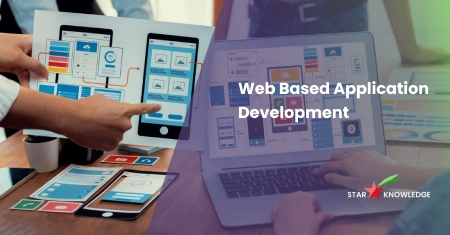
Leading consulting firm specializing in systems management, security, data insights, and mobility solutions
Consolidating a fragmented procurement process across stakeholders
A cross-browser web application built on ASP.NET and Power BI
Industries We Serve
Financial Services
Healthcare
HIPAA-aware application maintenance
Technology & SaaS
Portfolio support for production applications
Insurance
Manufacturing
Operational application maintenance
Retail
E-commerce and customer-facing app support
Professional Services
Government
Compliance-mandated maintenance and patching
From a Basic retainer for one WordPress site to a Premium programme supporting a portfolio of 10+ enterprise applications.
Insights
Blog
How to Build an Effective Automation Testing Strategy for Software Applications
Freshness Signal: Application Support Priorities for 2026
In 2026, organisations spend tens or hundreds of thousands building custom applications — then neglect them. Security patches go unapplied. Performance degrades. Bugs accumulate. The application that was an asset at launch becomes a liability within a year. Application support isn’t overhead — it’s the protection of your development investment. AI-assisted monitoring now catches anomalies before they become outages, and automated dependency management keeps applications secure between human interventions.
01
02
03
Can't our development team handle support?
Your development team can handle support, but it often competes with roadmap work. A dedicated support retainer separates production maintenance from new feature delivery, helping your developers stay focused while support issues, patches, monitoring, and smaller enhancements are handled through a defined process.
Frequently Asked Questions
What does application support and maintenance include?
Monitoring and alerting, bug fixes and incident response, security patches and dependency updates, performance monitoring and optimisation, database maintenance, minor enhancements (Standard/Premium), and monthly reporting — all with defined SLA response times.
What are the three support tiers?
Basic: monitoring, bug fixes, patches, 8-hour SLA, up to 15 hours. Standard: + performance, enhancements, 4-hour SLA, up to 35 hours. Premium: + dedicated team, proactive monitoring, regular features, 1-hour SLA, up to 80 hours.
Can you support applications that someone else built?
Yes — we support applications we built and applications others built. Onboarding includes a code review, architecture documentation, and knowledge transfer so we understand the system before supporting it.
What SLA response times do you offer?
Basic: 8 business hours (critical). Standard: 4 business hours (critical). Premium: 1 hour (critical). Full SLA table in Section 4 covers all severity levels.
Can we include enhancements in the retainer?
Standard tier includes light enhancements within the monthly hours. Premium includes regular feature development. Basic is maintenance-only (bug fixes and patches). Larger enhancements can be scoped as add-on projects.
What technologies do you support?
ASP.NET Core/.NET Framework on Azure, Blazor, React Native, MERN Stack, .NET MAUI/React Native (mobile), WordPress/WooCommerce, Java, SharePoint/SPFx, Power Platform, APIs, and legacy .NET applications.
How does onboarding work?
Week 1–2: we review code, document architecture, set up monitoring, configure alerting, and establish the support channel. Knowledge transfer from your team or from the code itself. SLAs in effect once monitoring is live.
How is application support pricing calculated?
Pricing depends on the number of applications, technologies, criticality, SLA needs, monitoring scope, enhancement volume, and included support hours. For planning, use $400–$600 per support day as the calculator range. Additional hours, tier changes, and commitment terms should be confirmed during the support assessment.
Book My Free Support Assessment
Tell us the task you have in mind. We’ll assess whether an agent suits it, at what autonomy level, and what the first step should be.
- No cost, no obligation
- Typically responds within 4 business hours
- Confidential — your data isn't shared
- SLA-backed support
Typically responds within 8 business hours · Confidential